
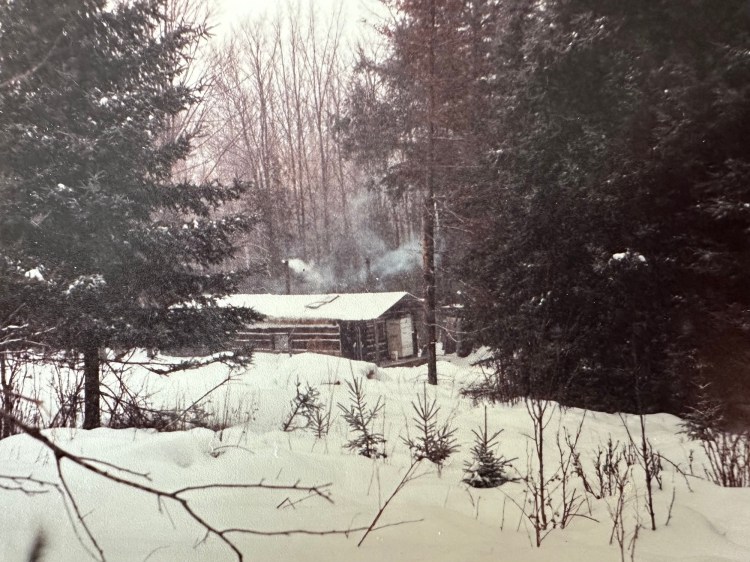
In 1943 Joe Potvin and his hunting partner, Martin Witte, purchased a log cabin in a remote place in Dickinson County Michigan. Hunters using it had decided to move. It looked old in pictures in ’43 and according to the county assessor it was constructed in the early 1900s.
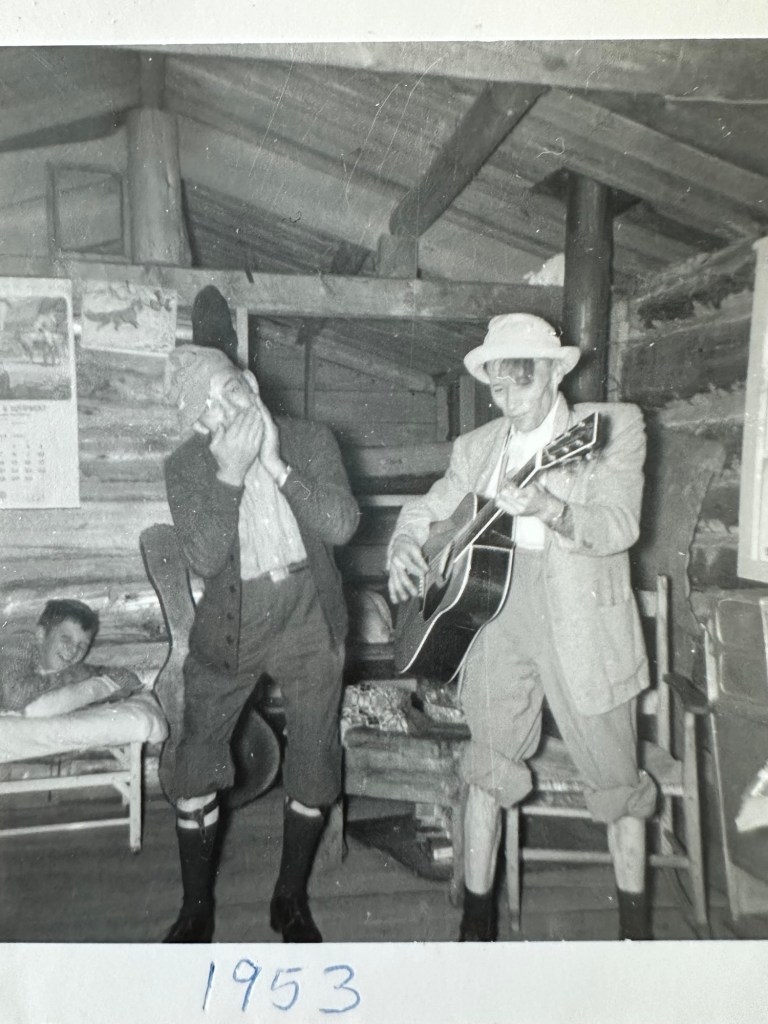
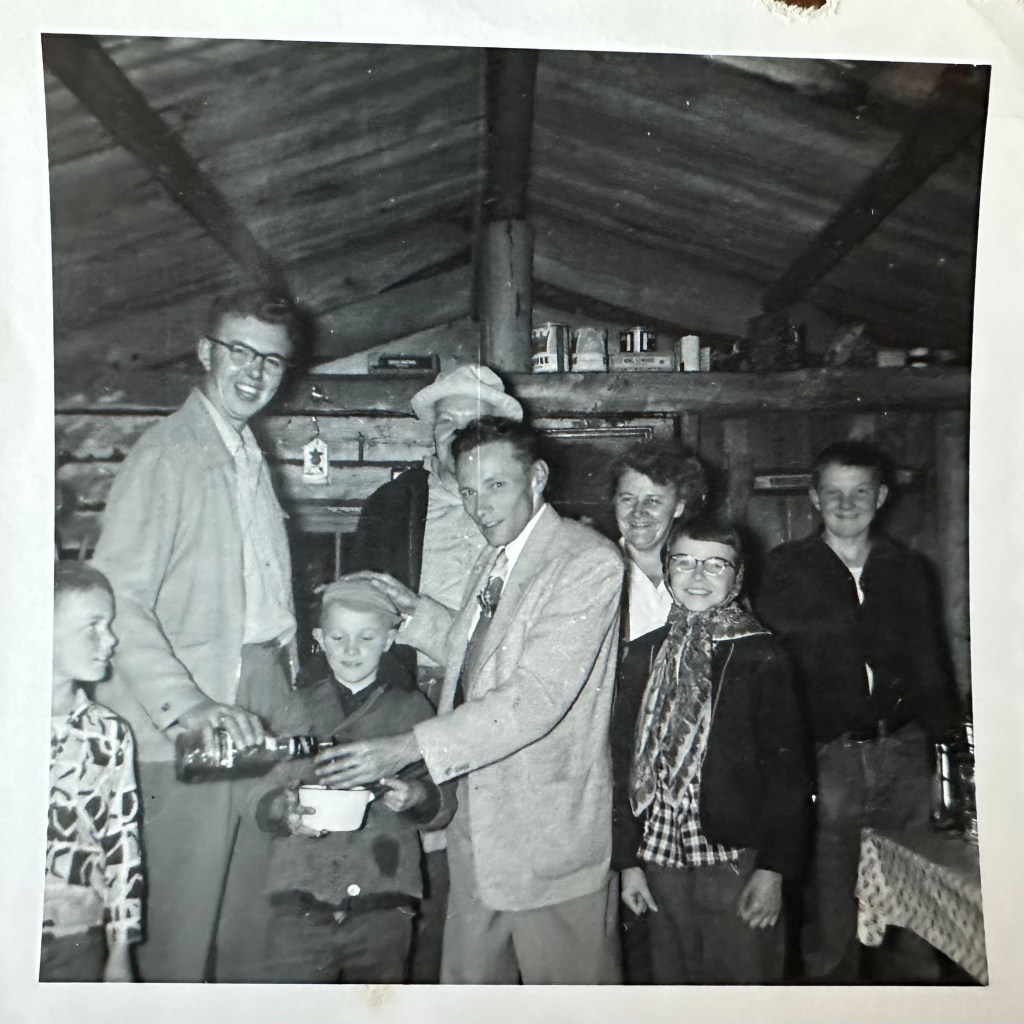
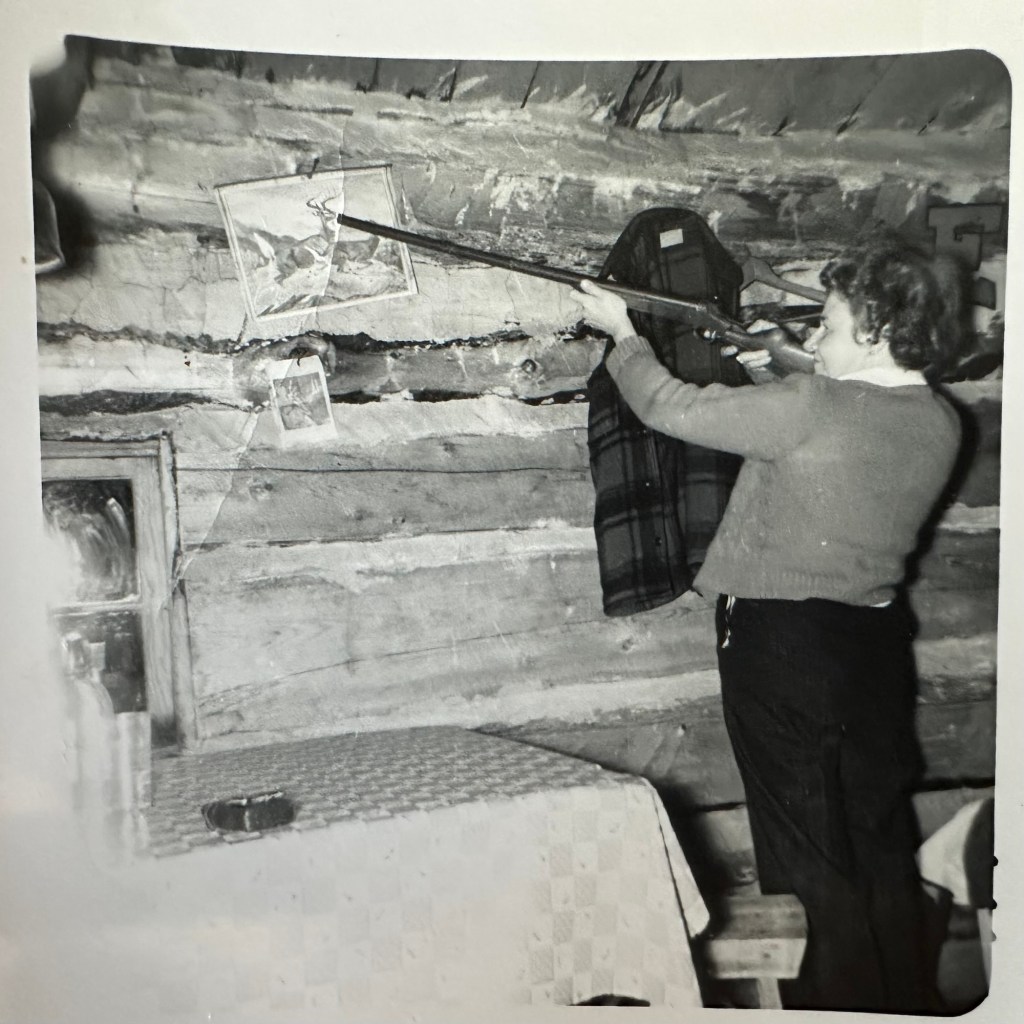
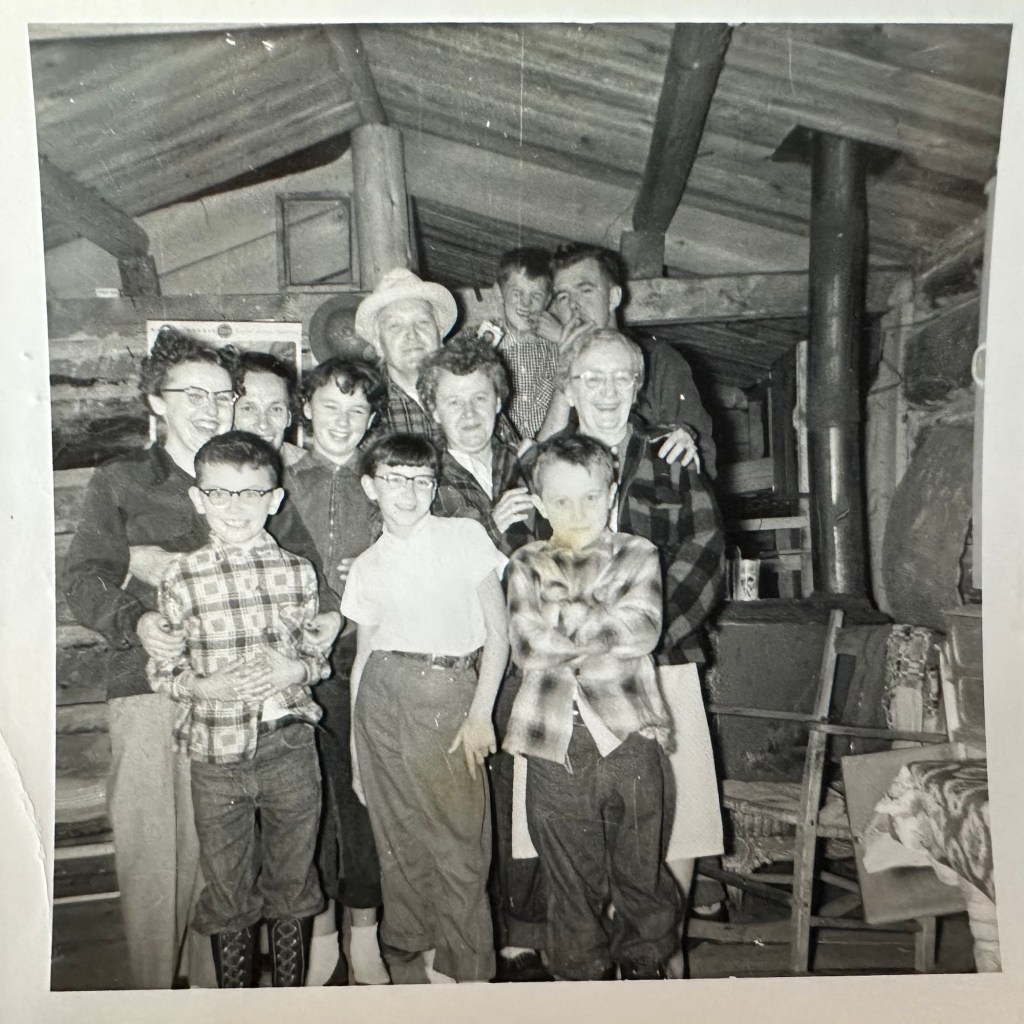
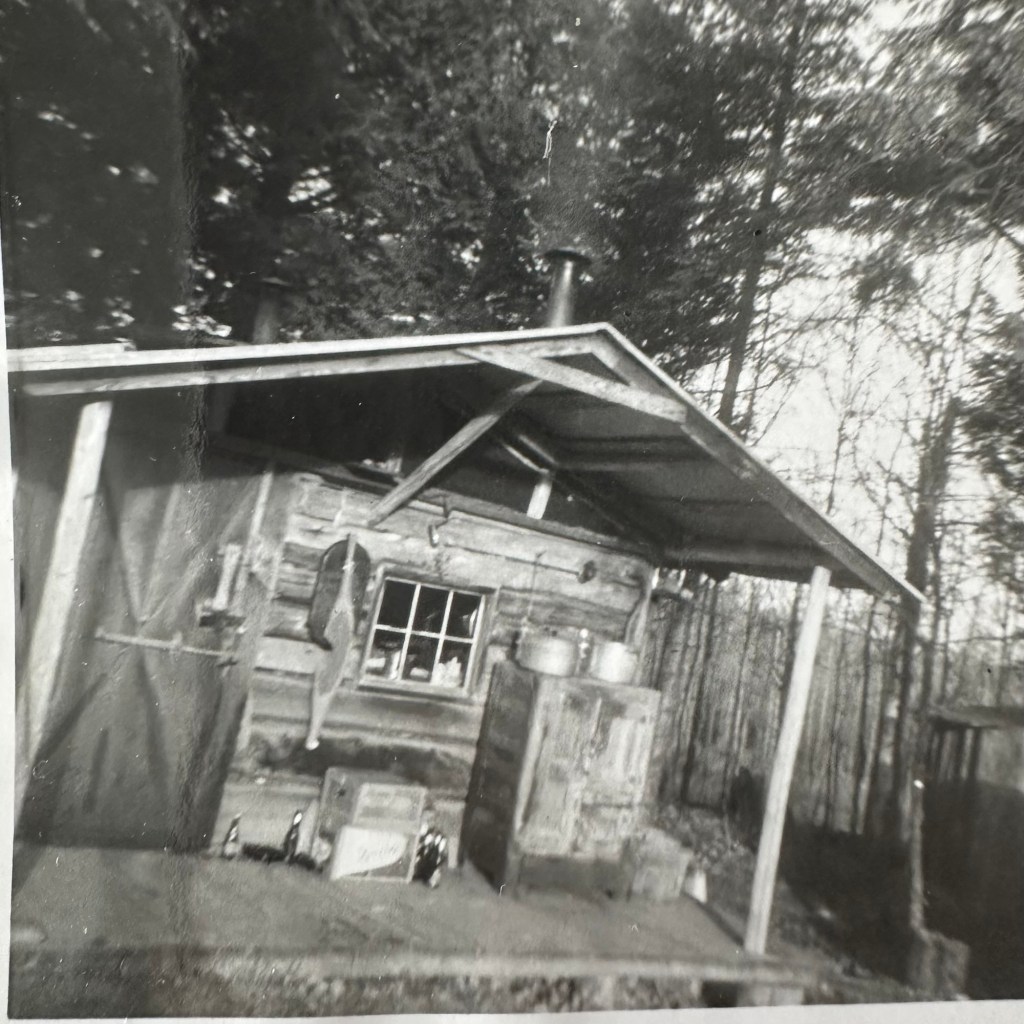
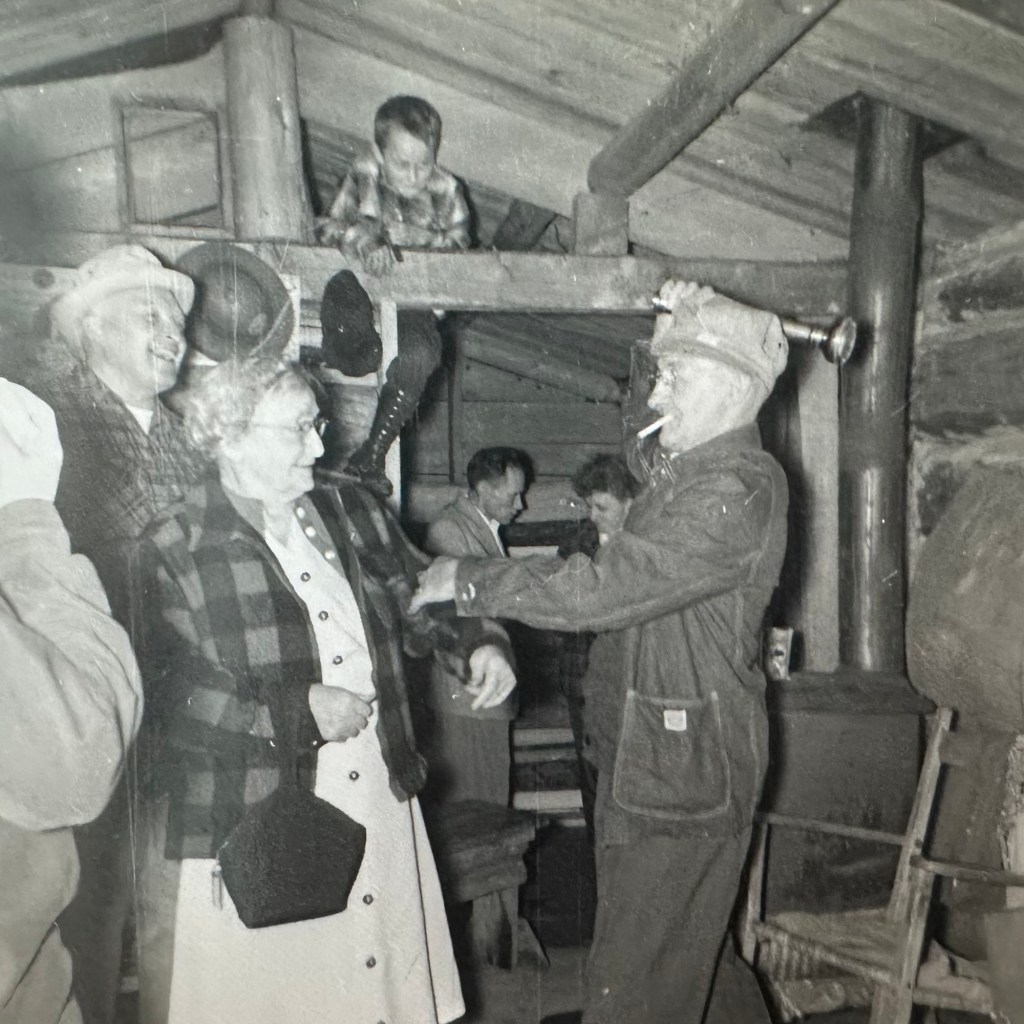
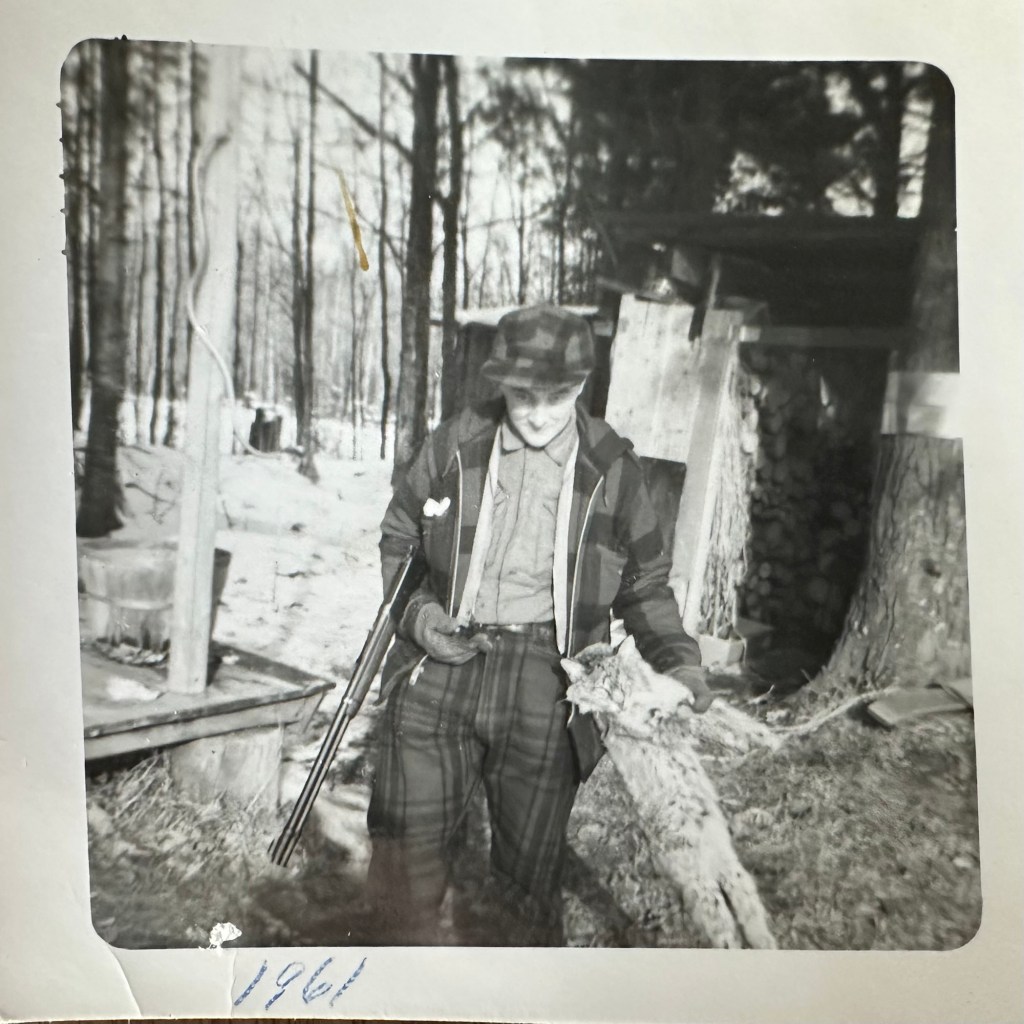
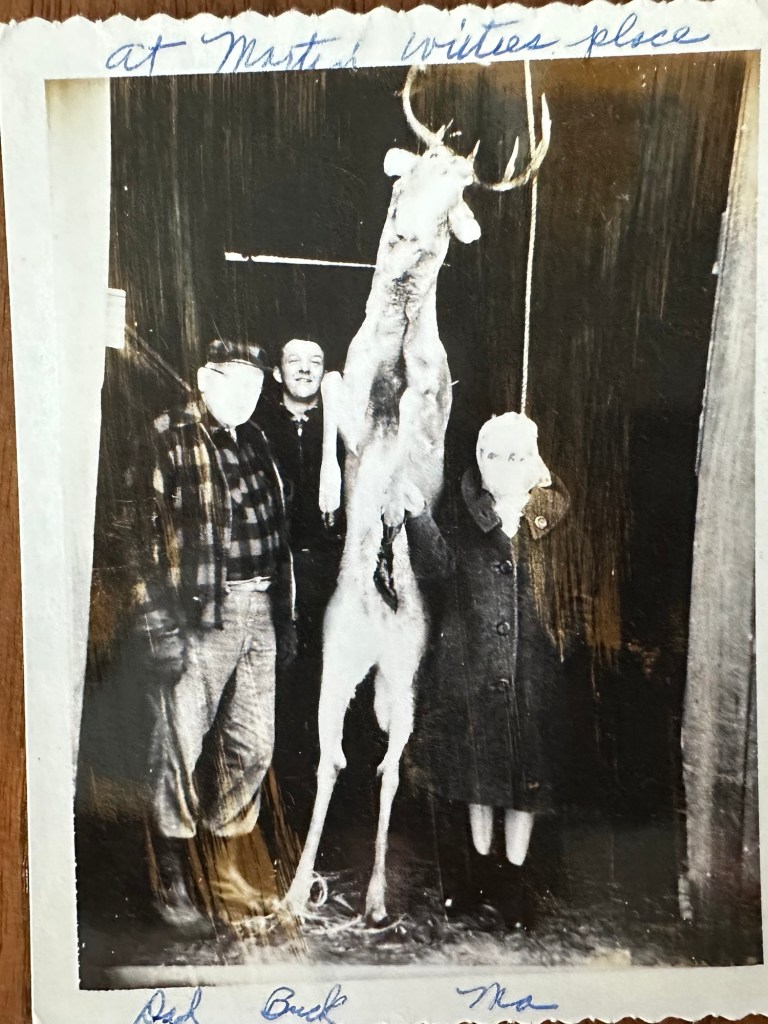
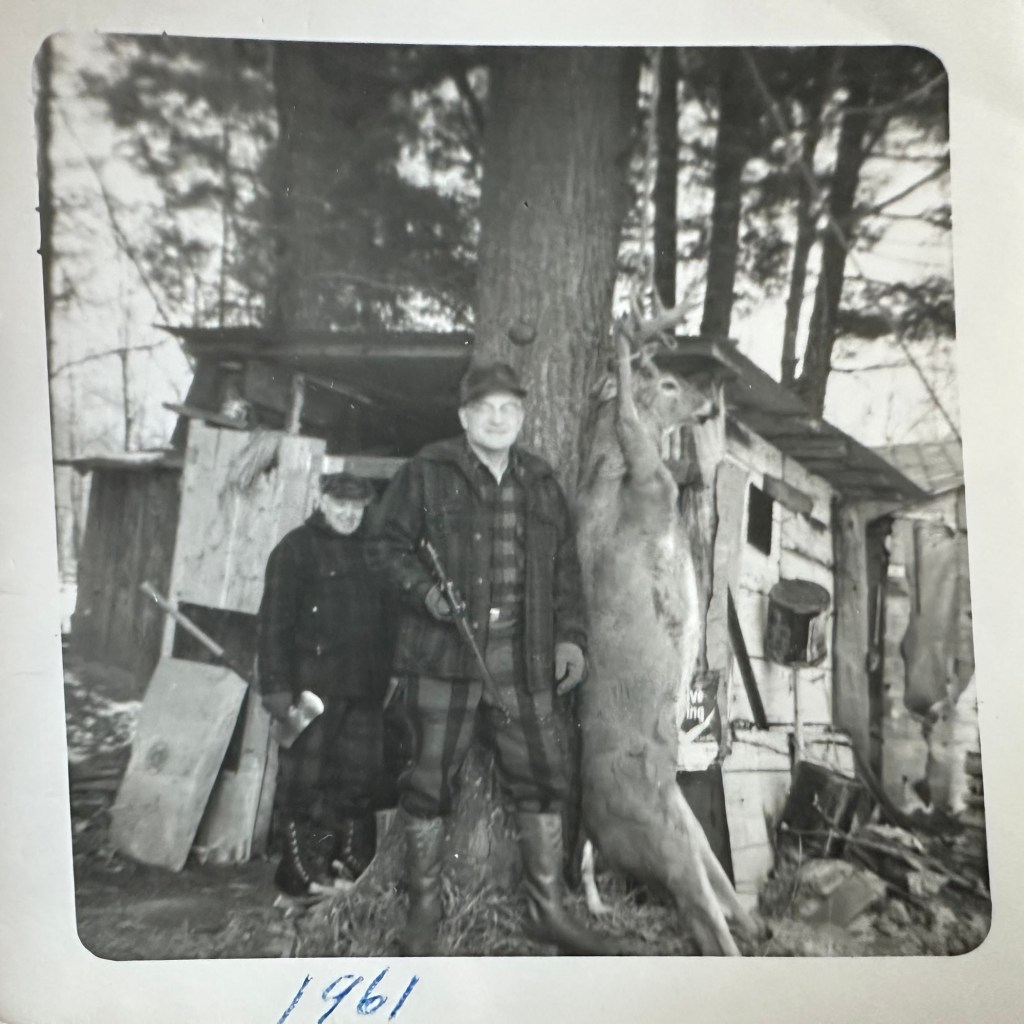
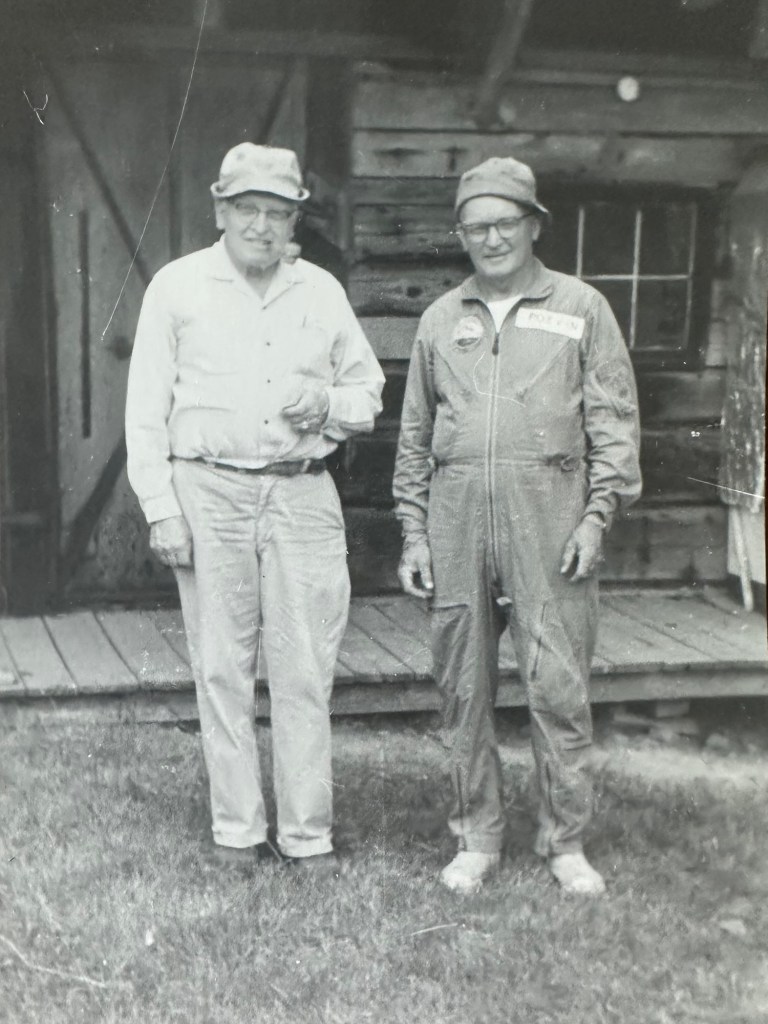
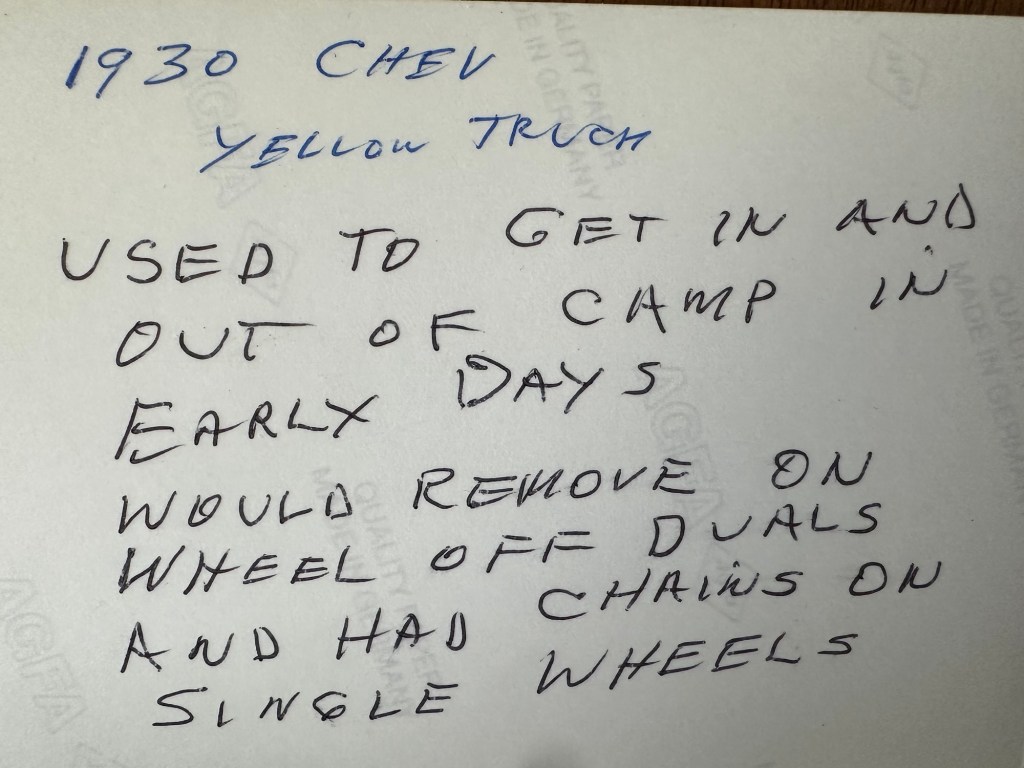
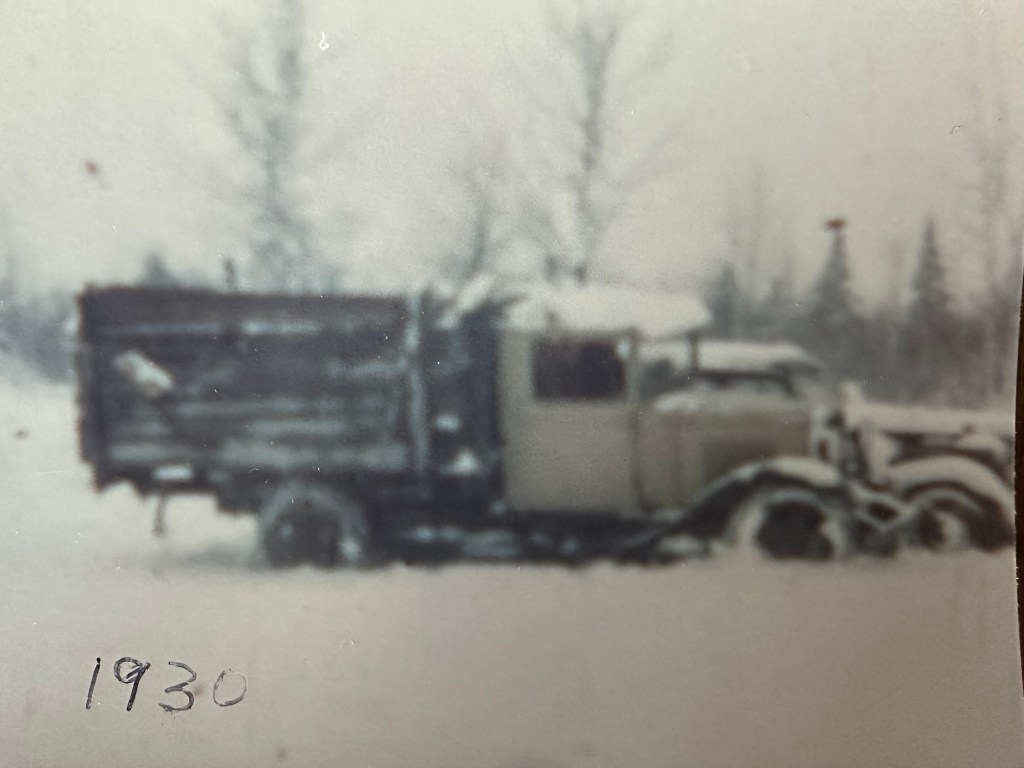
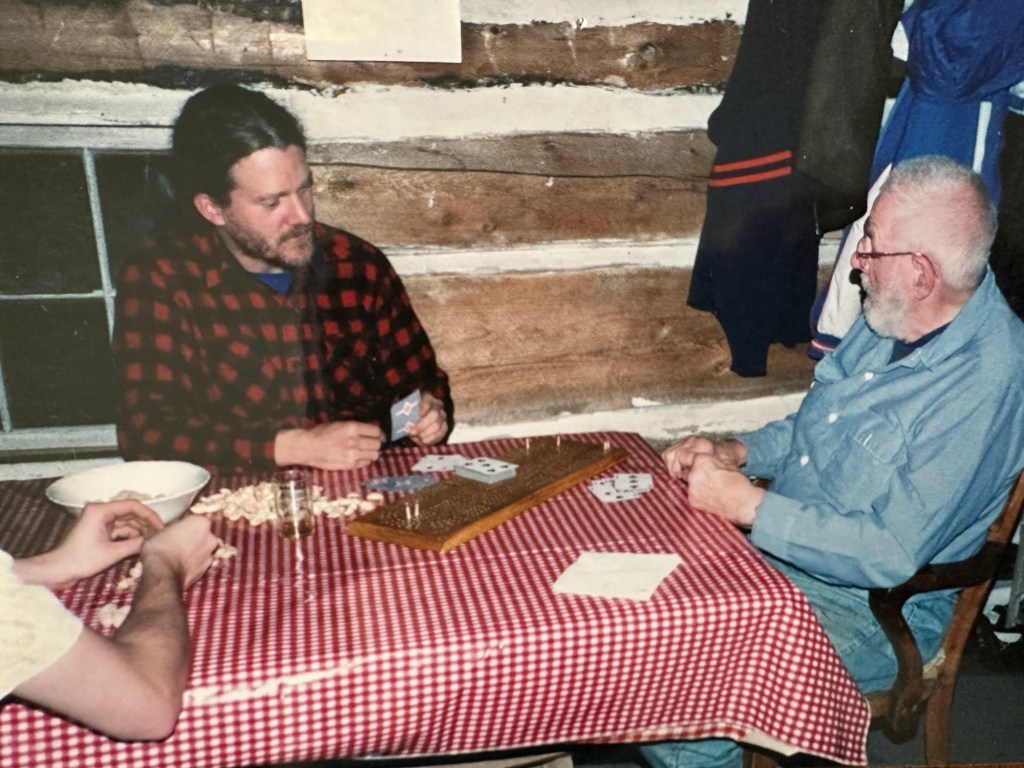
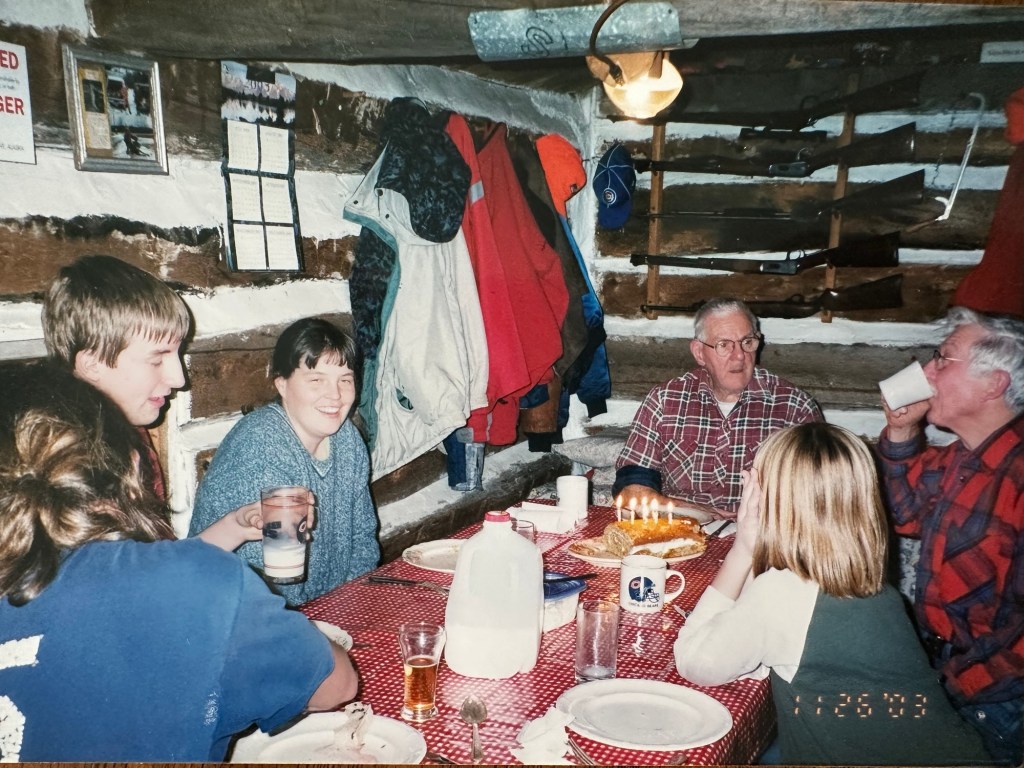
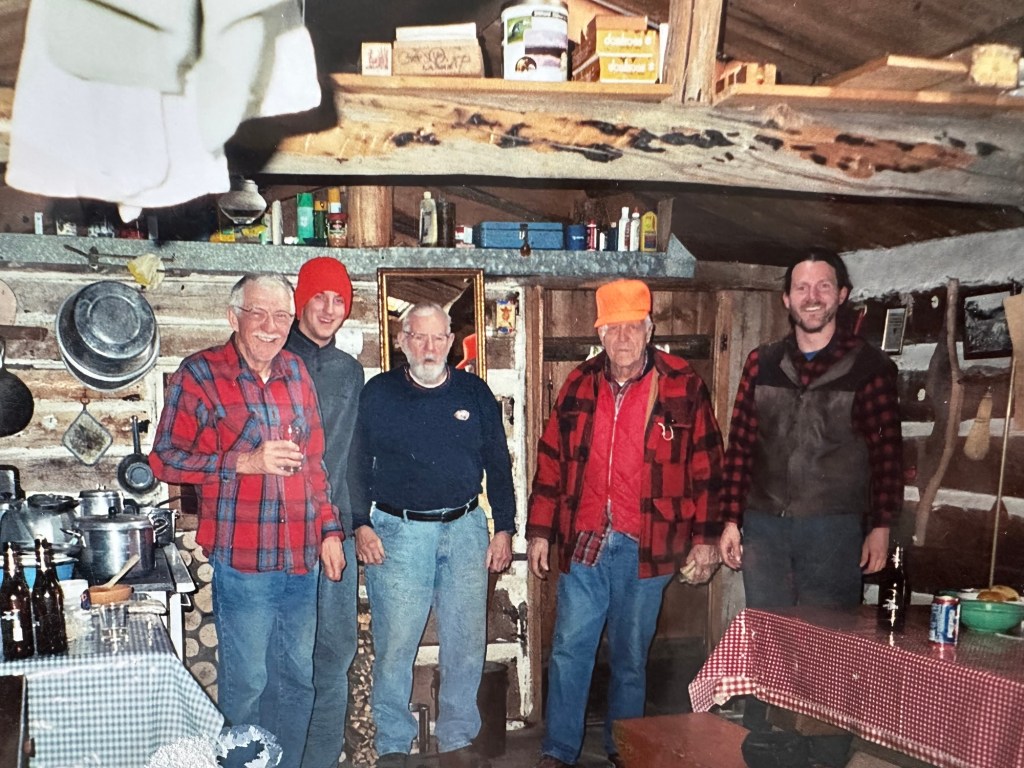
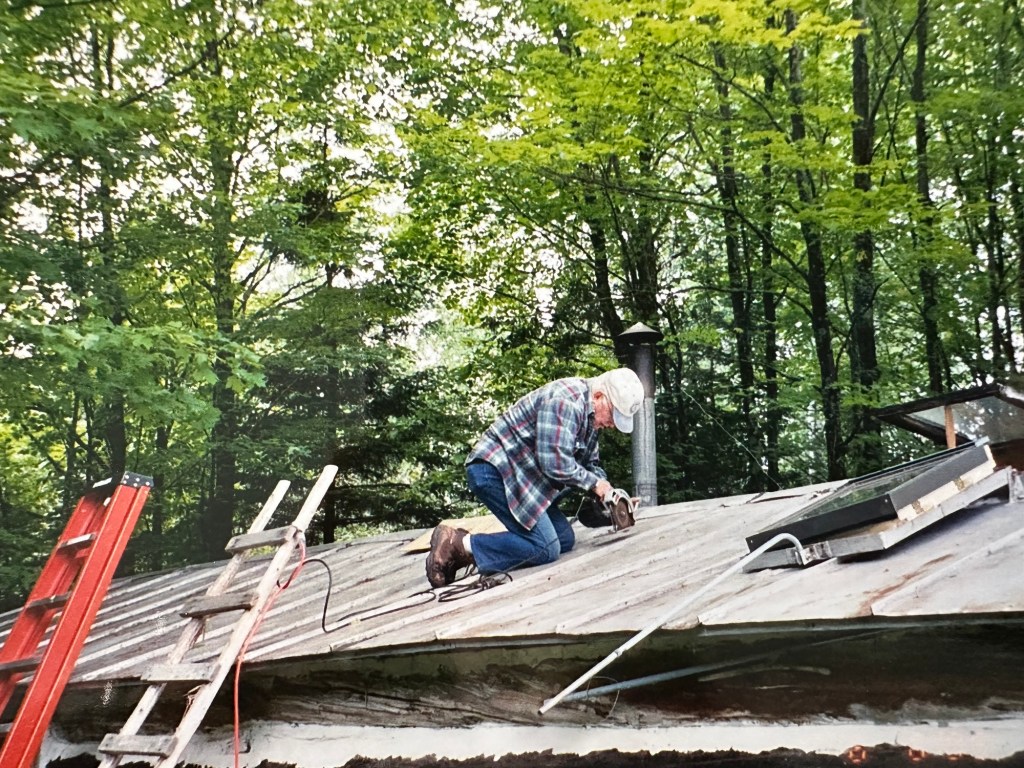
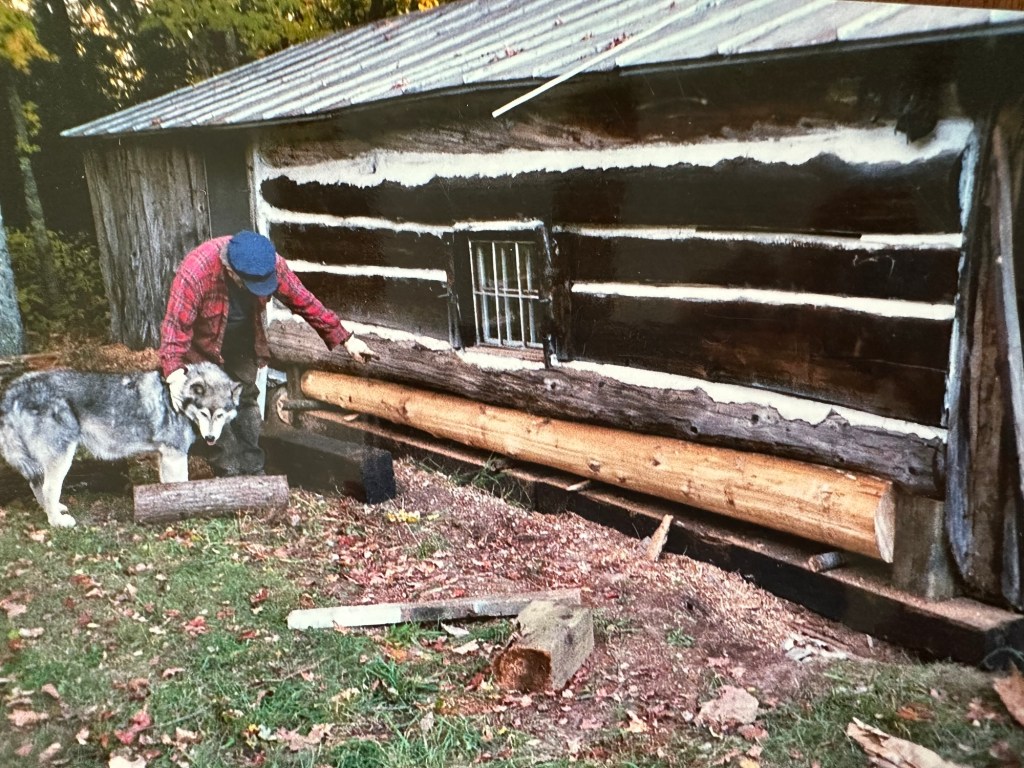
It is now over 100 years old. The cabin was about 13×20. The first thing was to add a bunk room. It gave much more room in the main cabin and a table was set up for 8 or 9 hunters and is still in use today. The lumber for the addition was milled at Martin’s saw mill. My Uncle Albert and his son Lowell installed a metal roof around 1960. The building sets on the ground and the bottom logs have been replaced twice. It is a project. When my brother George and I replaced the logs in 2004 we found out the floor was independent of the building. After 78 years the building is pretty much the same.
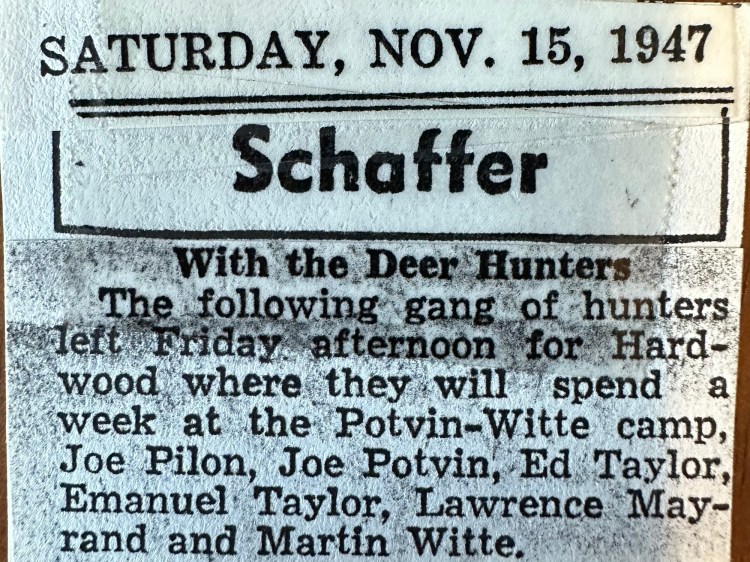
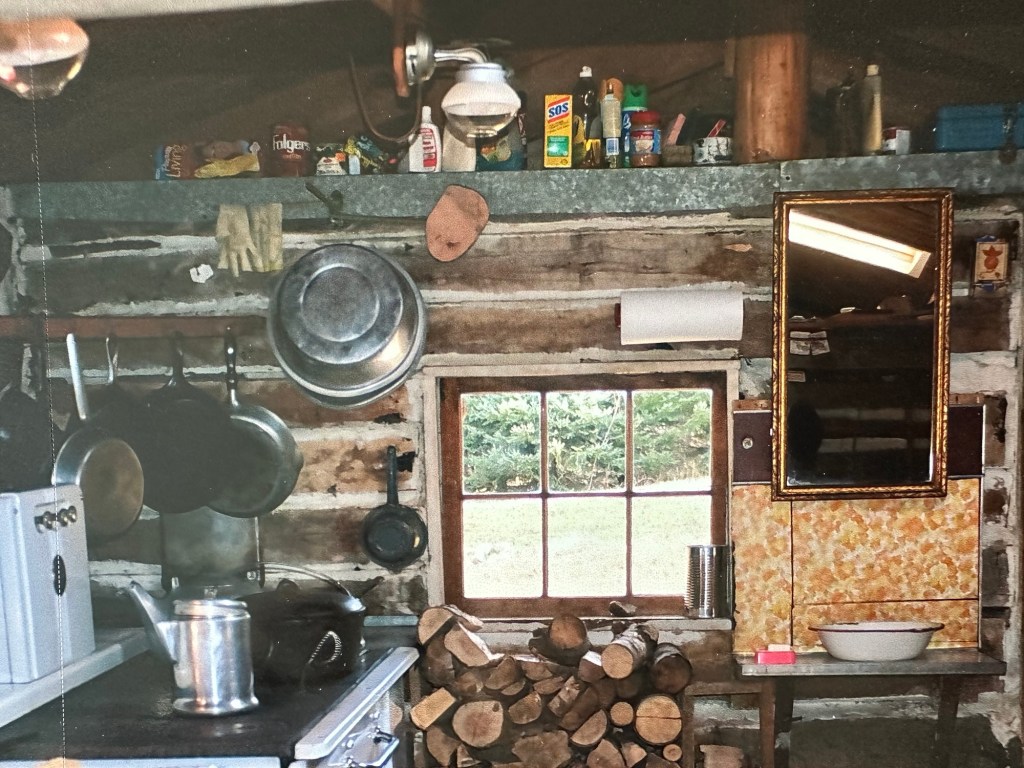
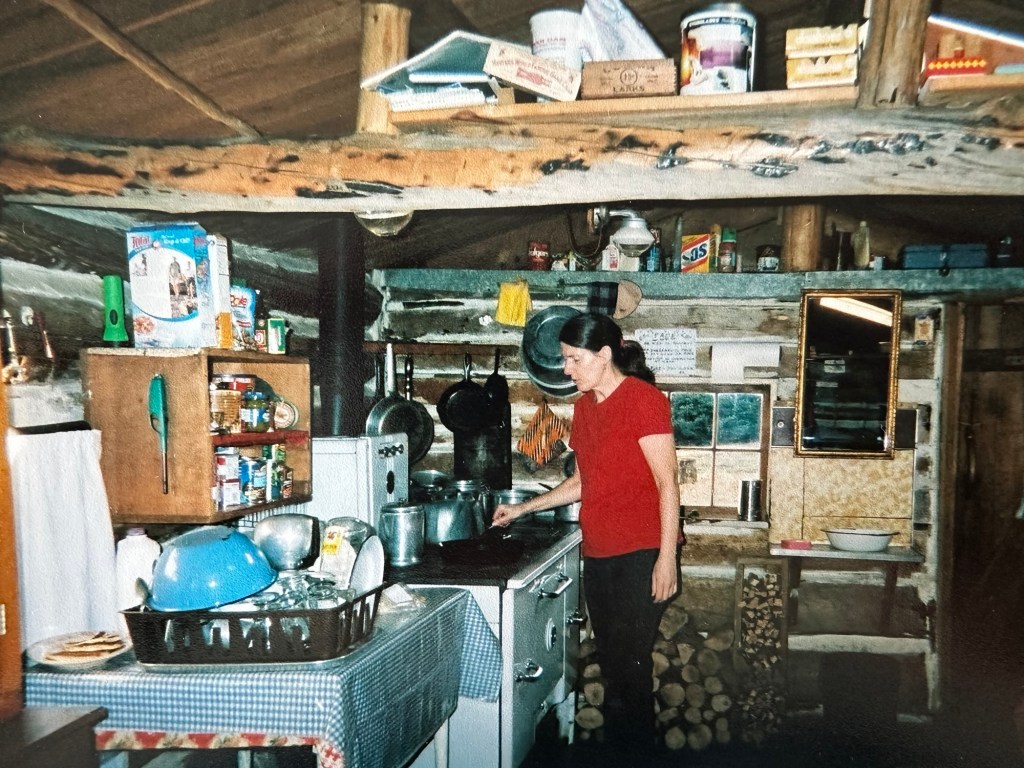
In 2021 it was discovered the coveted Home Comfort cooking stove had some burnt-out spots in its fire walls and the grates needed attention. In attempting to repair it, it was decided it should be replaced. It had been in the camp since 1948 or 49 and was two years old when it was moved in. it was a treasure. It was replaced by a modern Amish built Ashland stove labeled the Cabin Tender, everyone is anxious to use it, much different than the Home Comfort.
Coleman Lanterns were replaced sometime in late 1950s with propane lights. Two years ago, solar lights were installed. Technology is catching up.
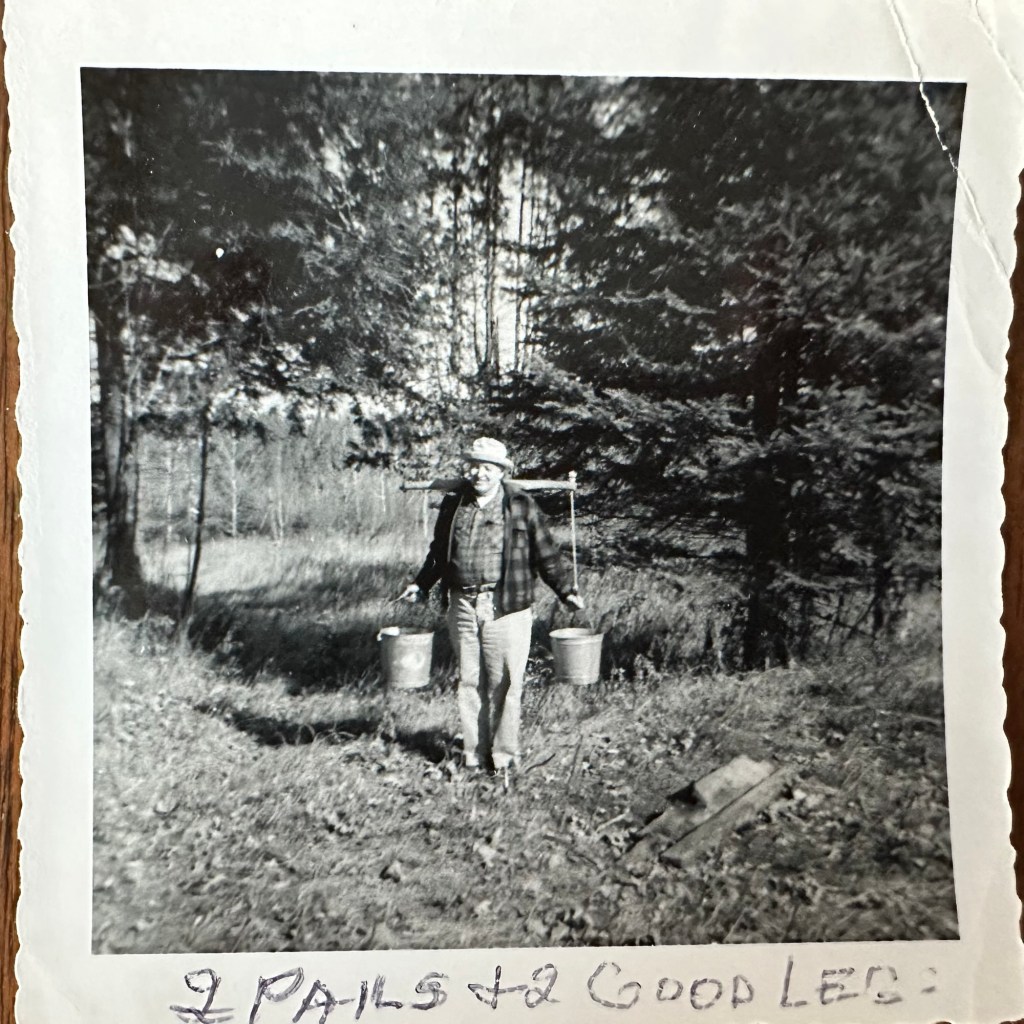
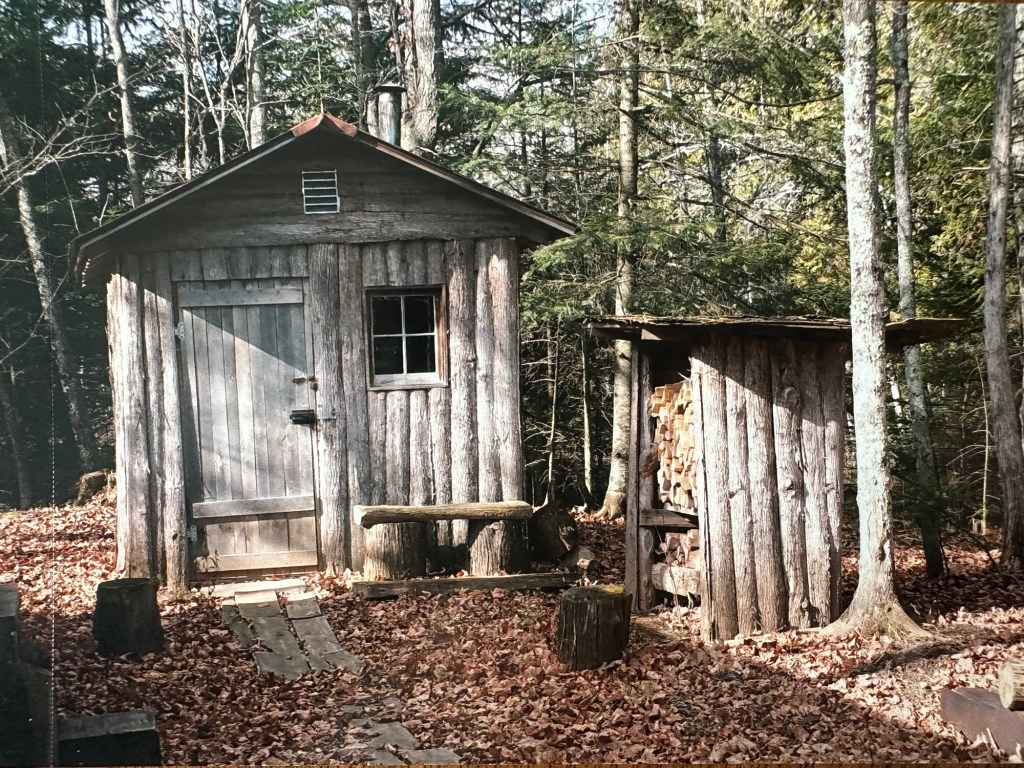
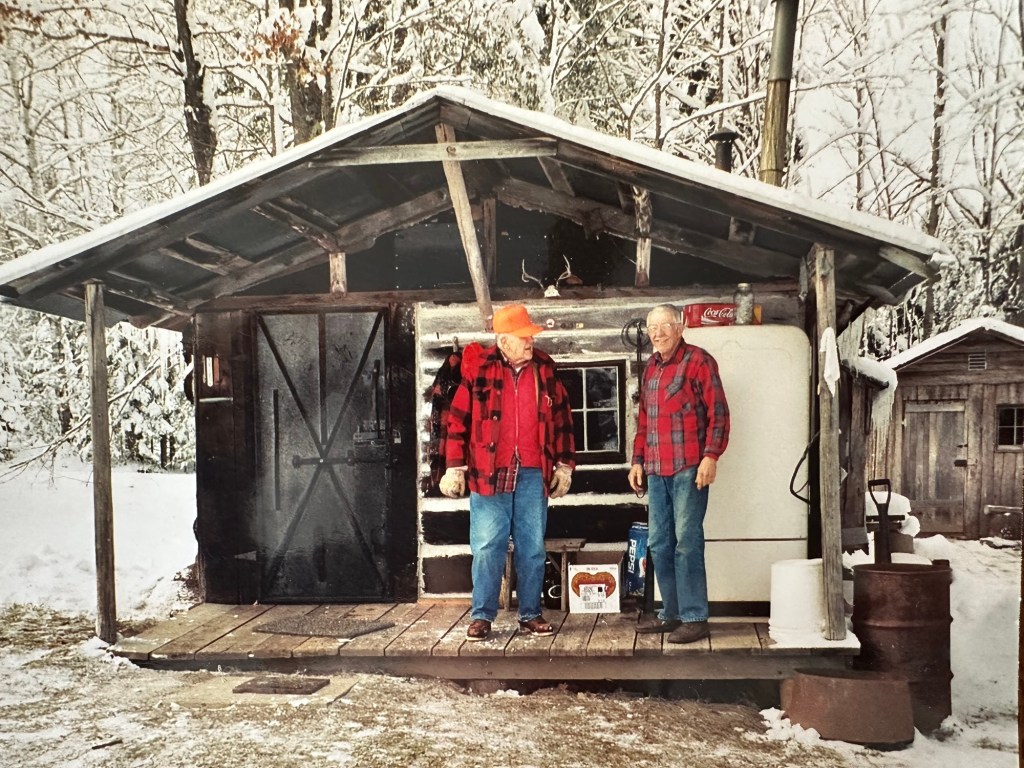
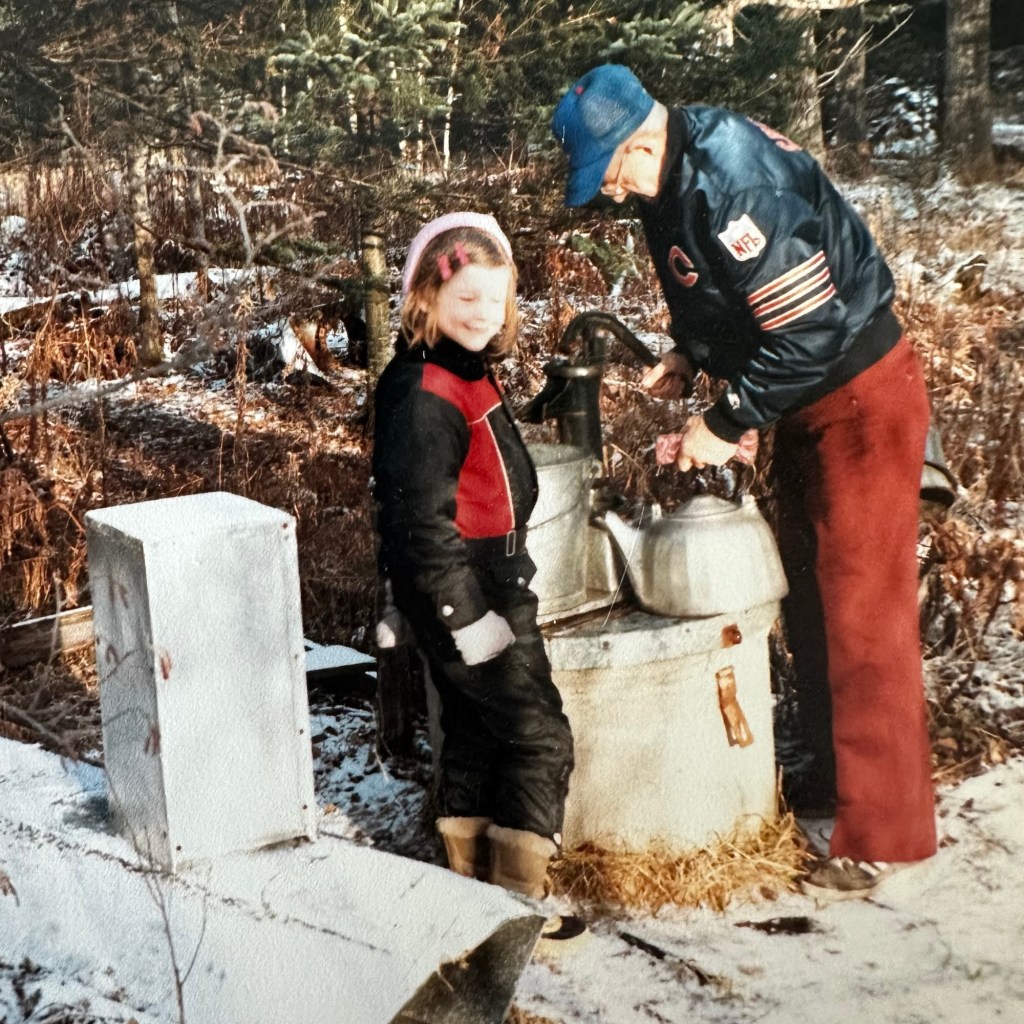
The first modern technology was when Joe Potvin purchased a battery-operated radio in 1950ish. That was really a big deal at the time, way out there and we could listen to the radio. There is a cold box built on the North side of the cabin and is used as a refrigerator in cold weather. There is a curtain to access whatever. A small door in the floor accesses a small cellar where vegetables and fruit are stored. A gas refrigerator is in a cabinet outside on the Veranda in case of warm weather. Water is retrieved from a hand dug well about 200’ away from the camp. It is down hill to fetch the water and uphill to camp. A sign in camp reads “Running Water’, Two pails and two good legs. Restrooms are situated outside, where a structure is for males and another for females. There are two wood sheds, horse barn and a sauna.
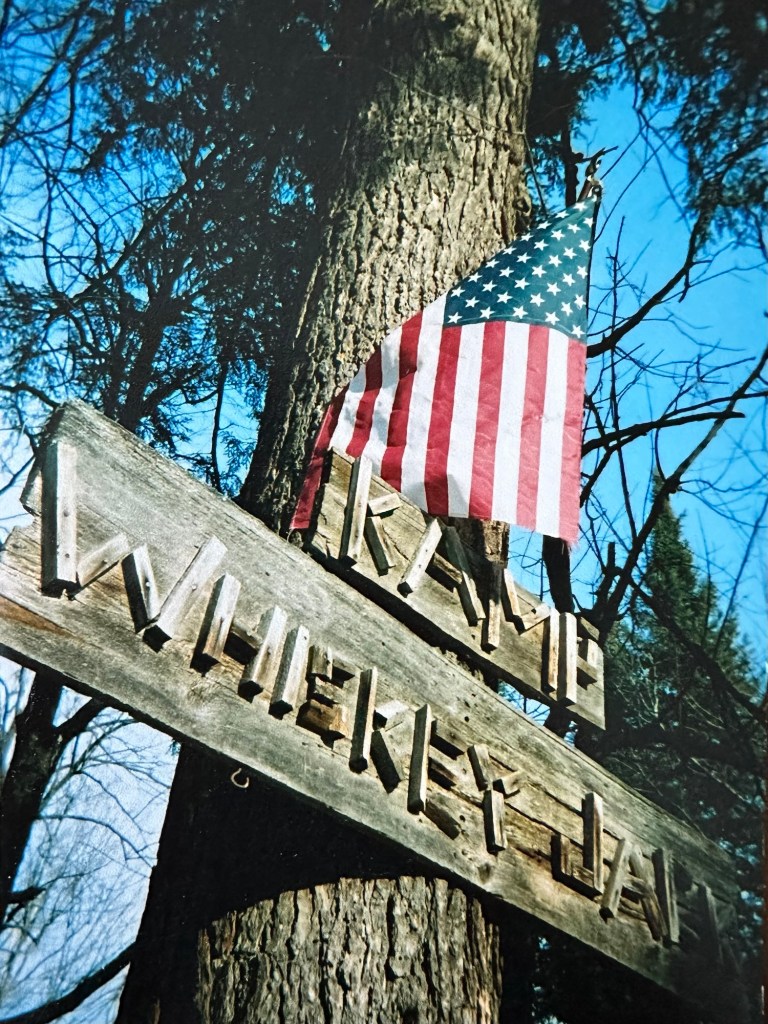
In 1960ish Martin mentioned that maybe Joe should buy him out, he was getting older and was losing interest in the place, so Joe bought him out. The kids always wanted a name for the camp. It was noted as Potvin’s. We had some cousins hunting with us and one day while I was out hunting, they killed a bunch of our Whiskey Jacks. In memory of those fallen W Js we named the camp Kamp Whiskey Jack.
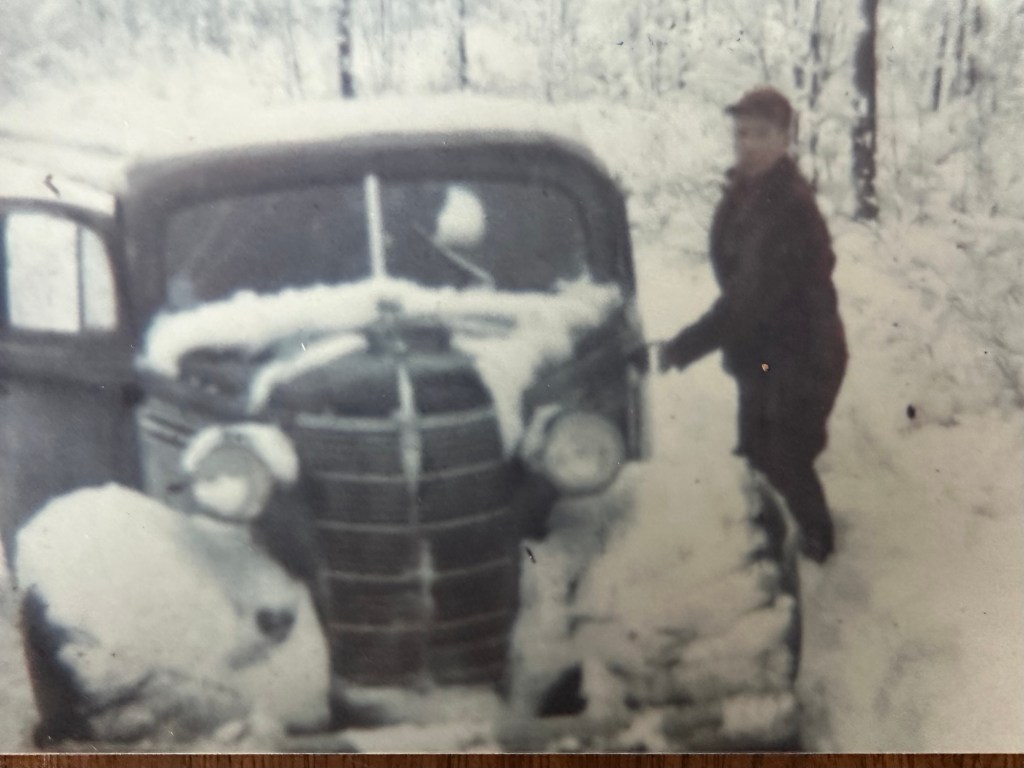
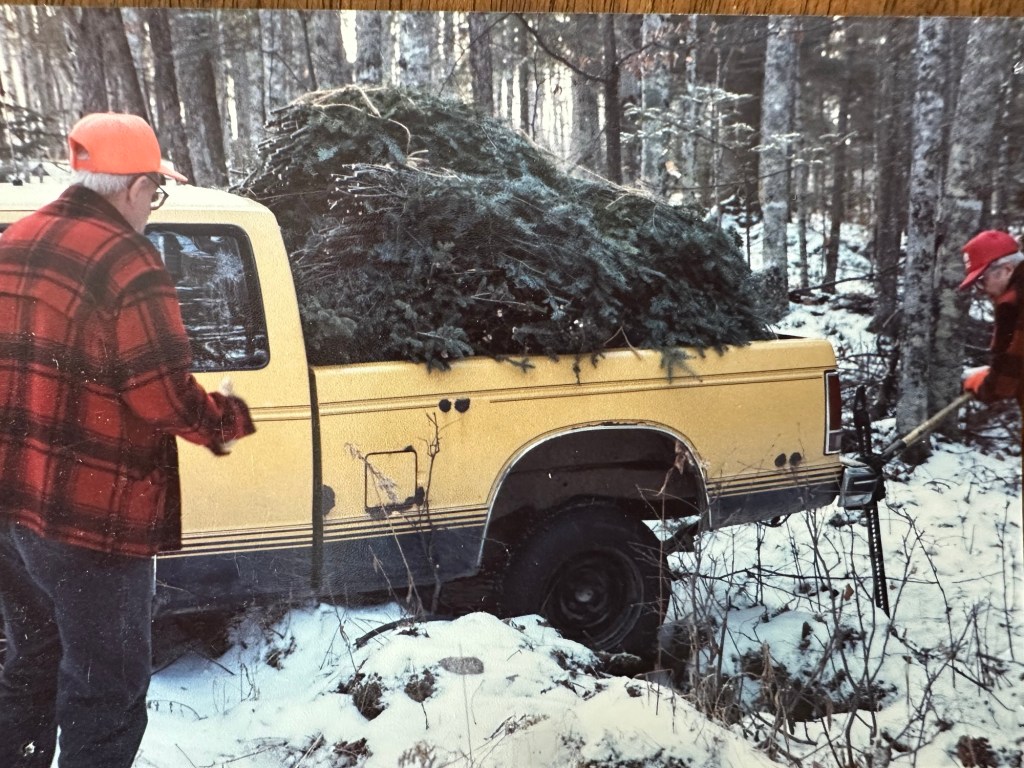
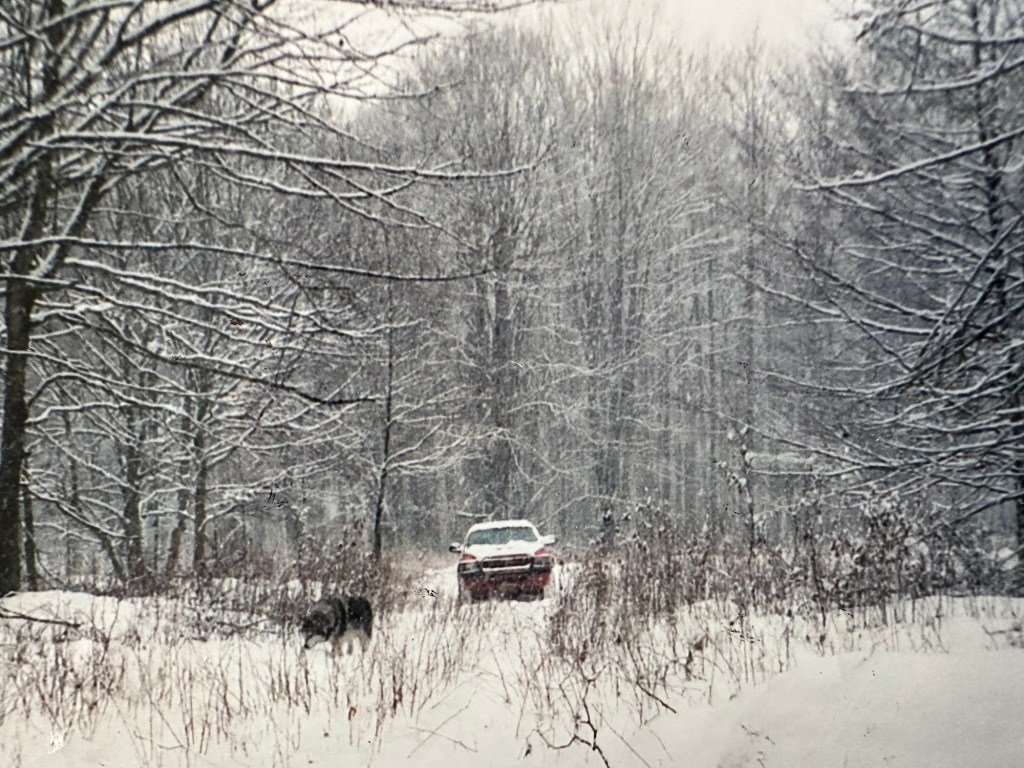
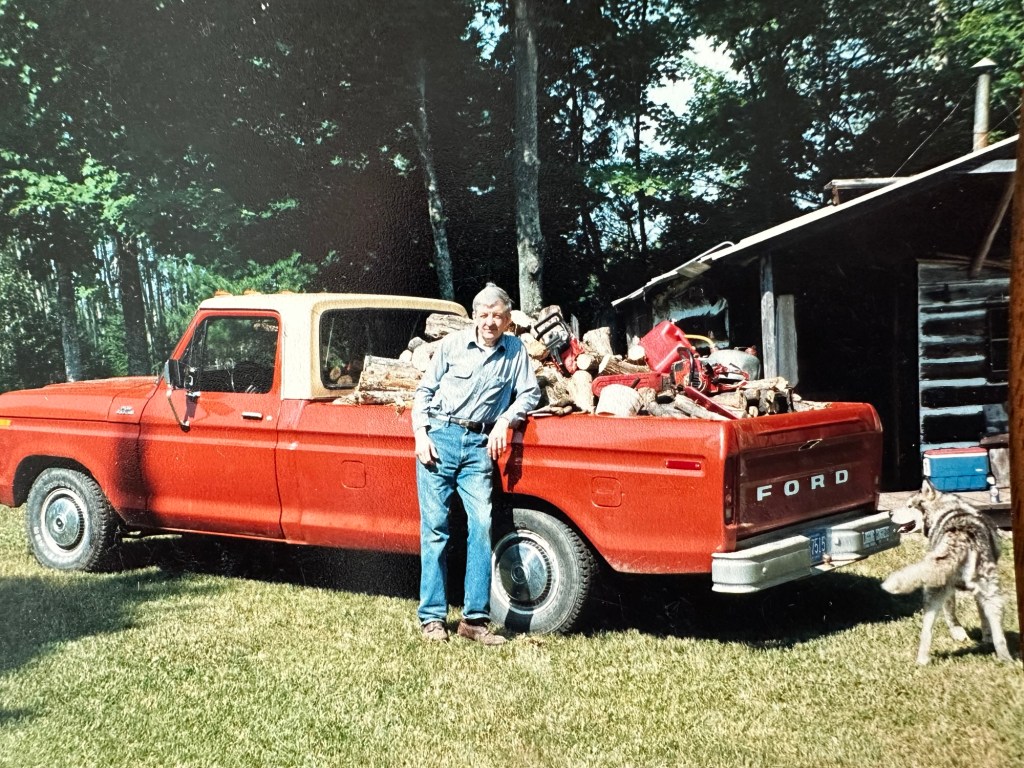
In the early years and even into the 70s, invariably one had to be prepared with tools to rescue your vehicle out of a mud hole. Some time in the 60s the Northland Truck Trail was really improved. The private `1.5 mile road was very risky. In 1975 it was impossible to get to camp with an automobile. The following summer Joe Potvin had 11 loads of pit run hauled in. Over the years Kimberly Clark, Champion and International improved the road when they had logging jobs going on on their properties.
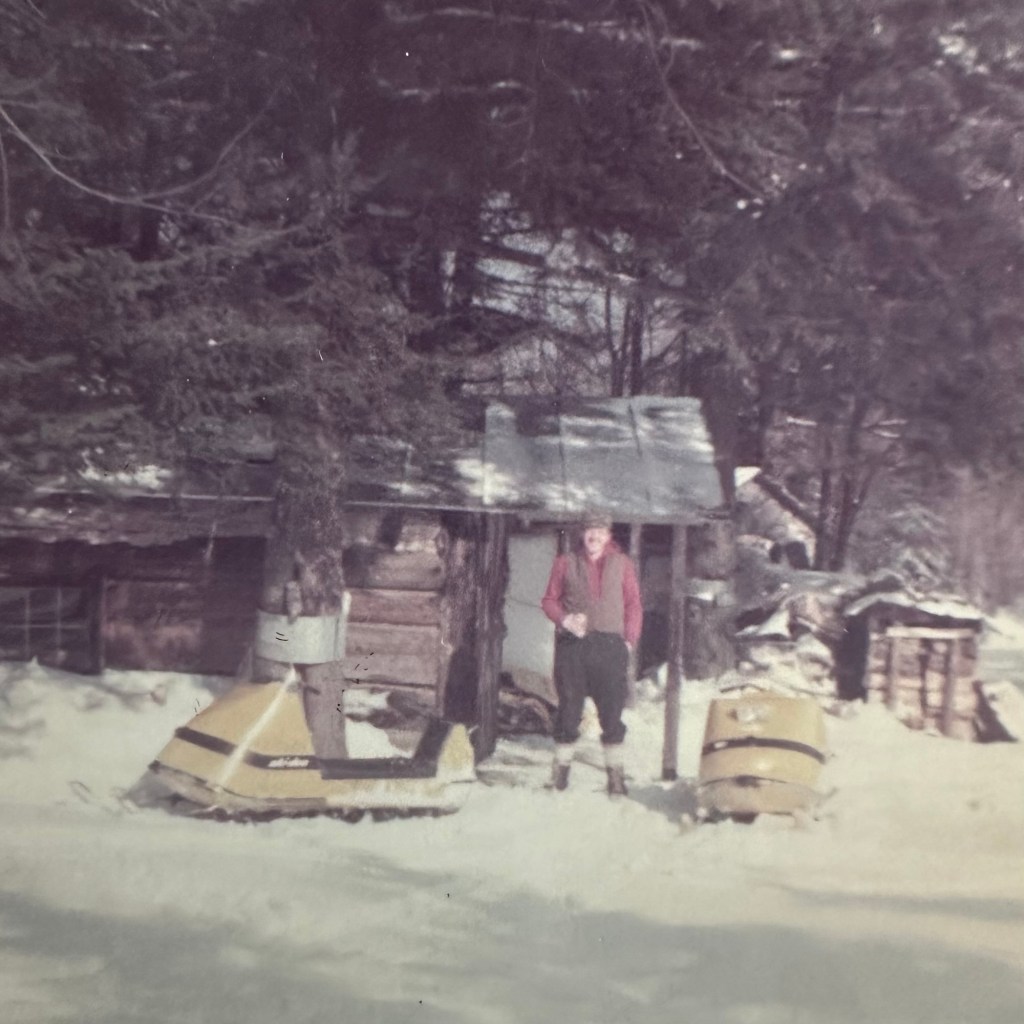

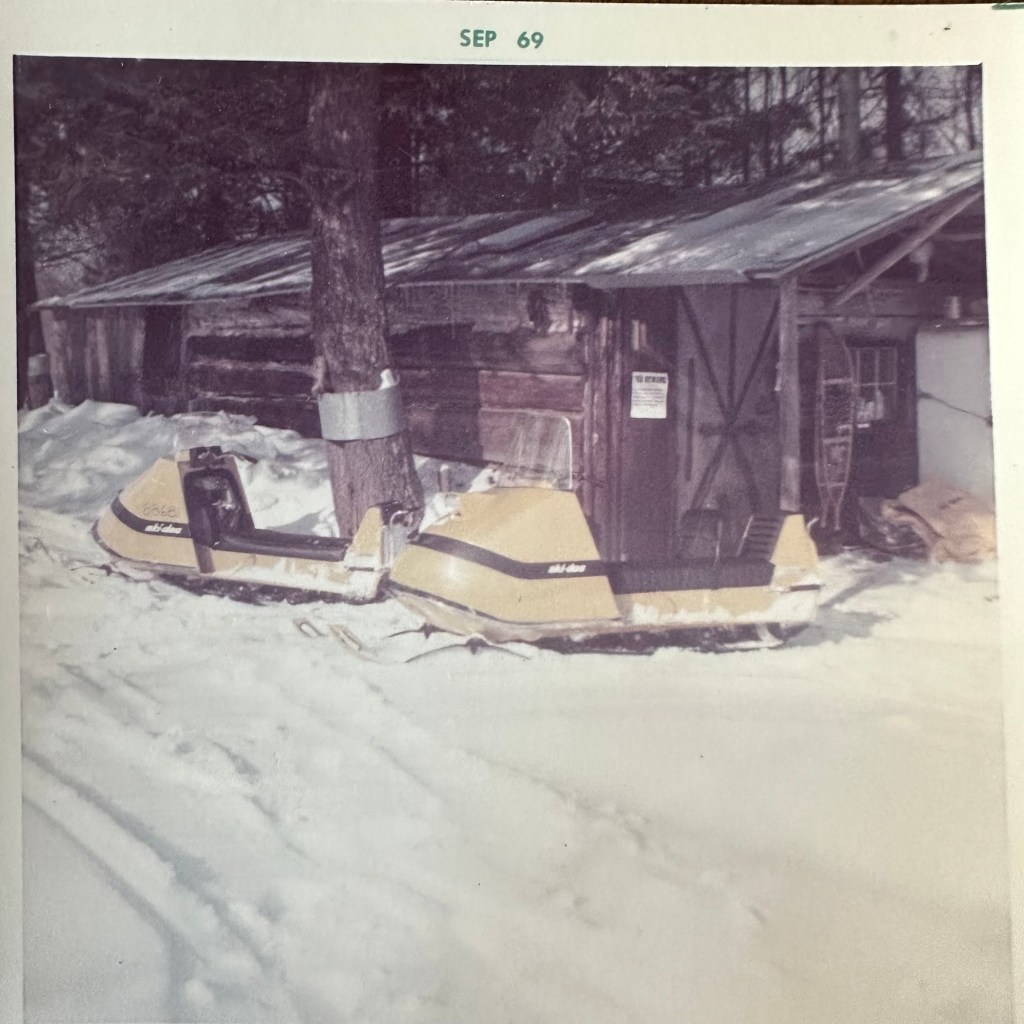
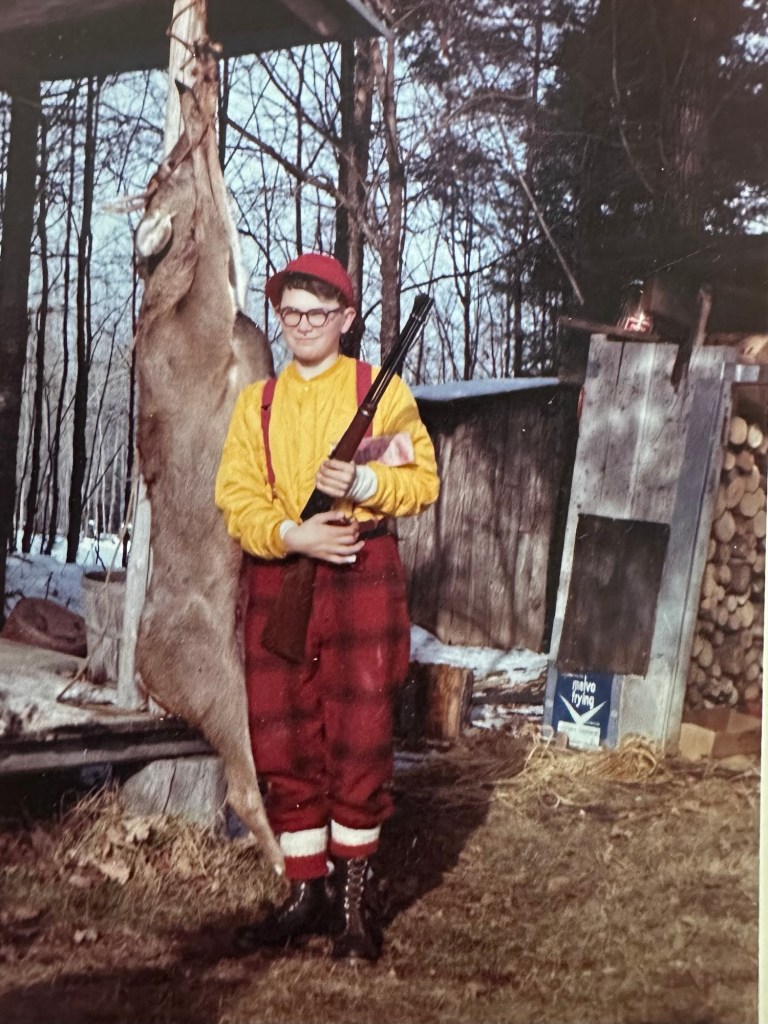
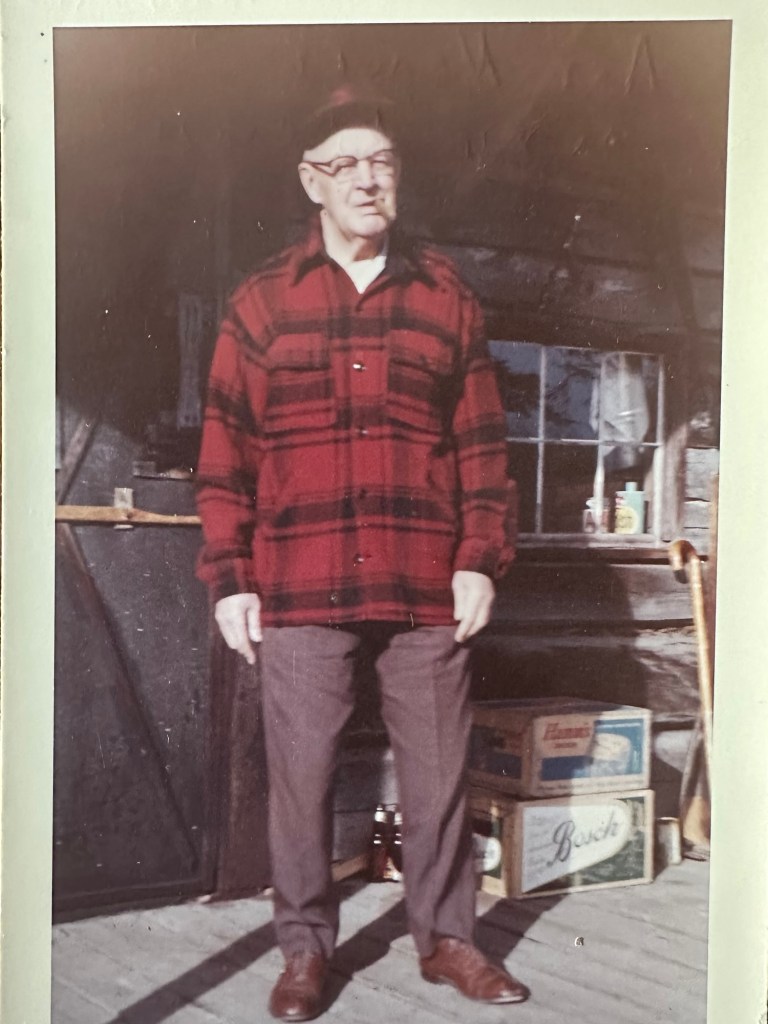
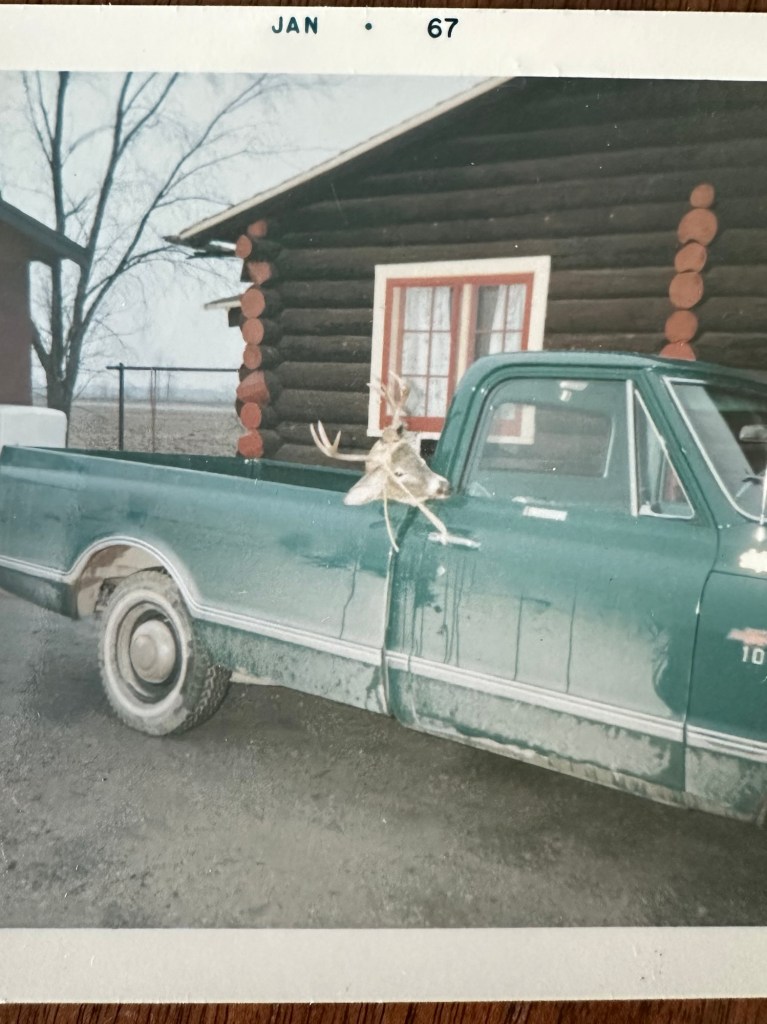
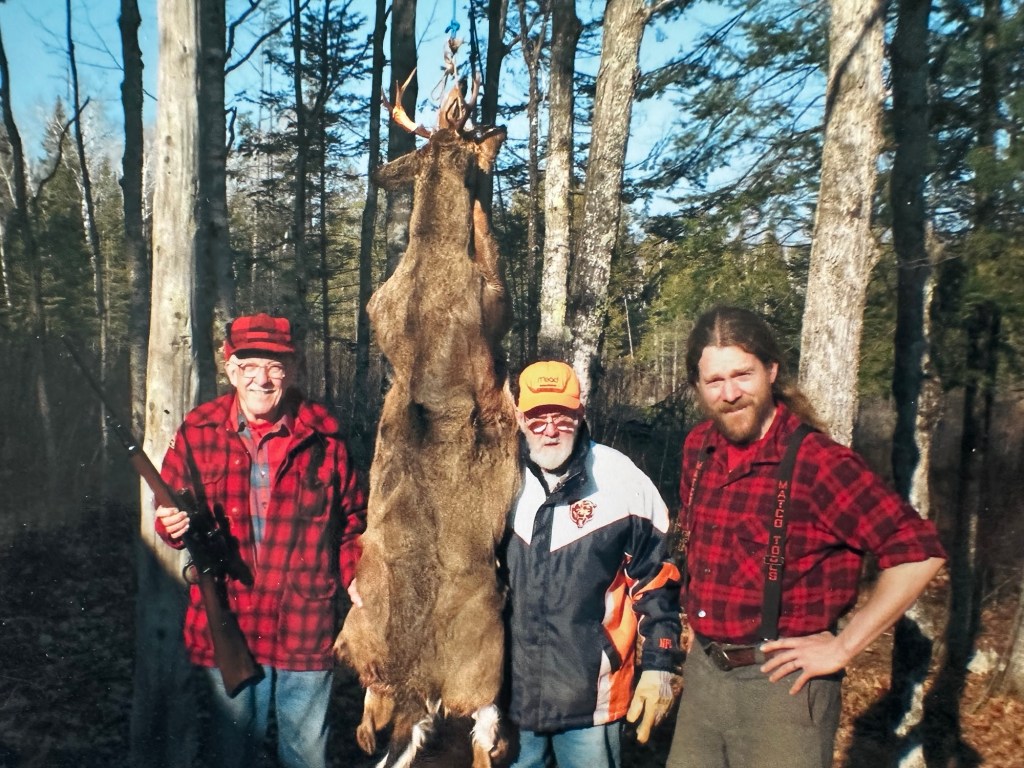
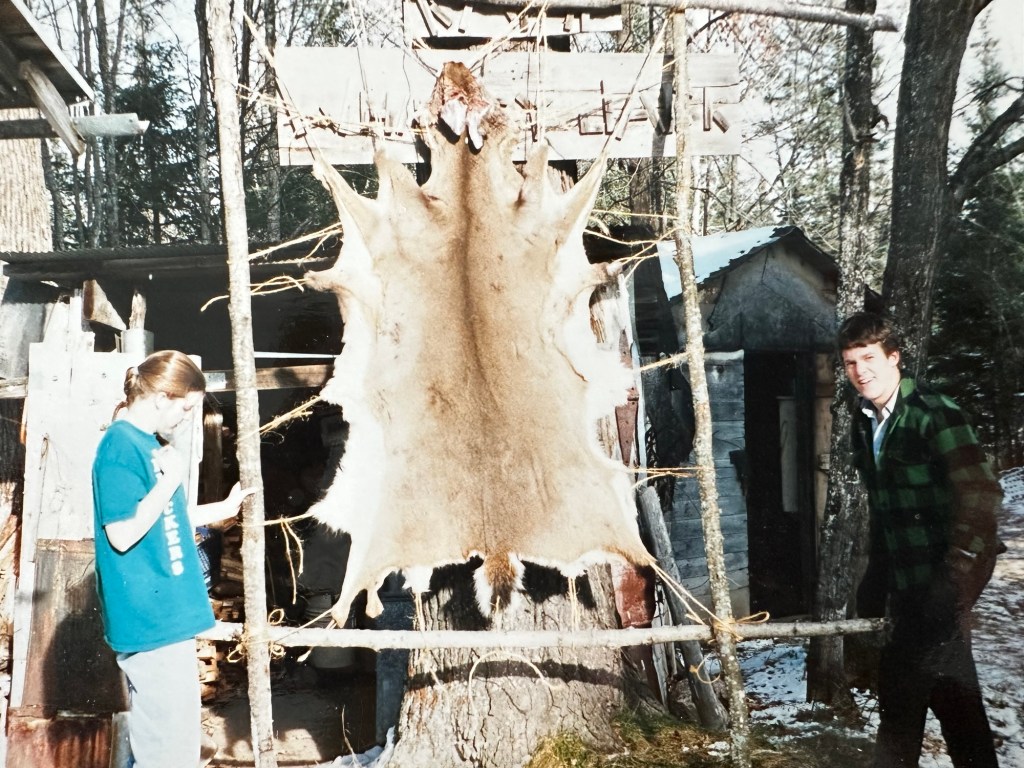
Joe Potvin’s brother Albert helped with a great deal of maintenance of the camp beginning in the late 40s until he was in his late 70s. He holds the record of shooting the largest Buck at the camp. He sure loved the place.


There is a main junction on the Northland Truck Trail and a camp named Camp 9 was always used to identify the junction. The camp was torn down, sign was gone and to new people the junction had no name. When I was preparing the camp for hunting season, only a few days before opening day I was headed South going home. When I approached junction a chain saw was laying in the middle of the road. I stopped; it was a very good saw. I picked it up and next day I called Sheriff Charlevoix and he stated he had to confiscate it because of its value. He would advertise it for six months and if no one claimed it, it legally became mine, which it did. My daughter was home from UM for summer. We decided to make a sign for the junction. We named it “Chanesaw Junkshun” Put the sign up and ever since it is called that or simply “Chanesaw”.
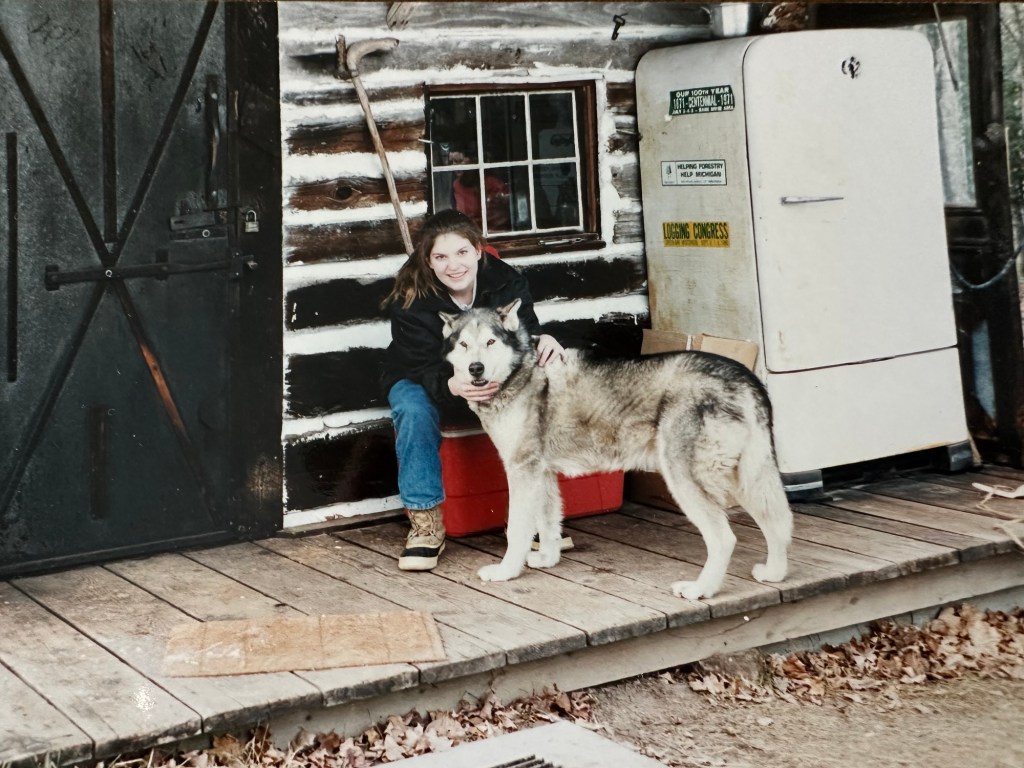
My Uncle Art, my mother’s brother, loved to spend hunting season with Joe Potvin. He was a big shot but did not act like it. Anyway, he was well rounded and knew of the large homes down south and they all had a veranda. So, he named the front porch at the camp the Veranda.







 Schaffer Quips